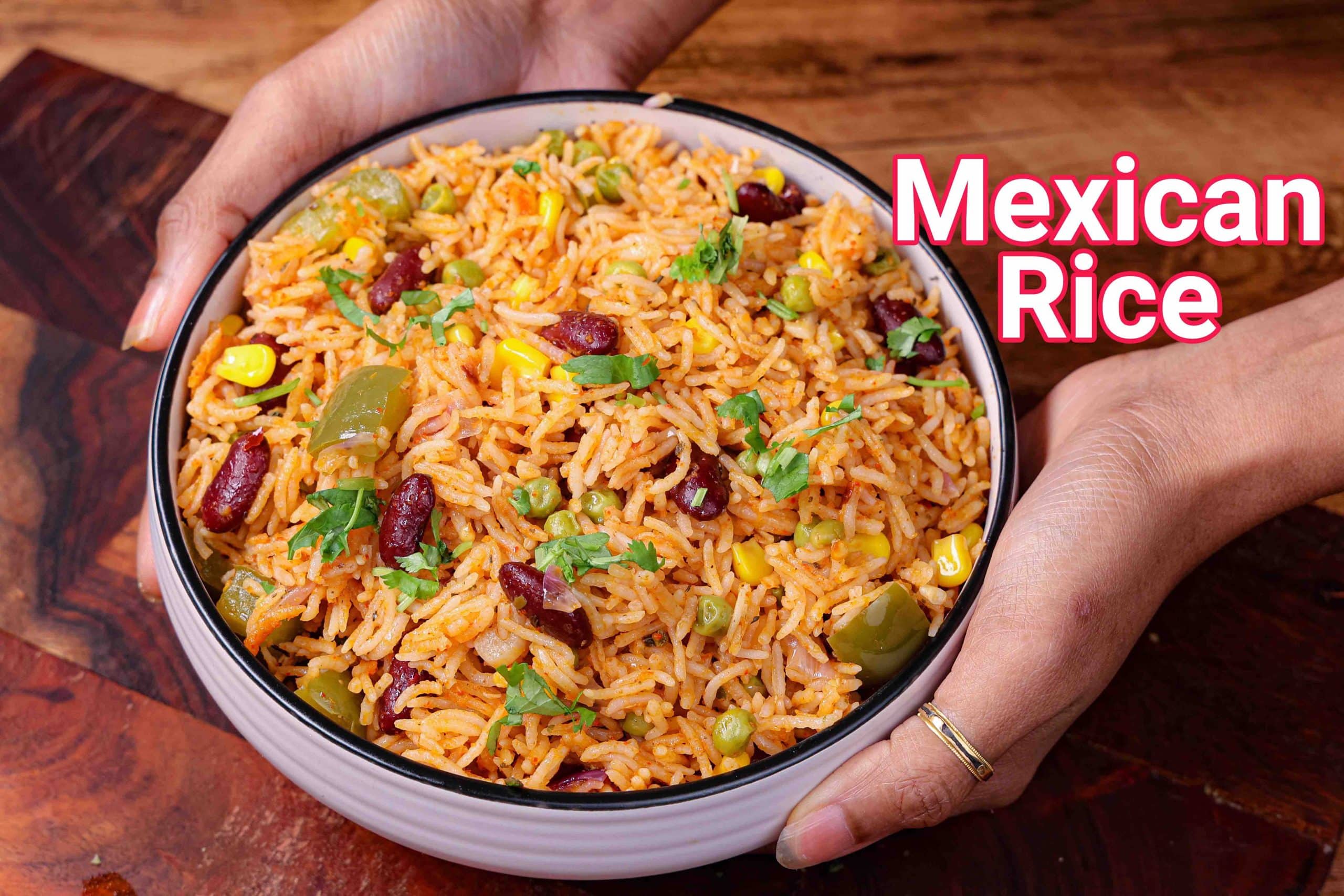
Authentic Mexican Rice: Restaurant Flavor in 30 Minutes
Imagine the warm, inviting aroma of a bustling Mexican restaurant, right in your own kitchen. That perfectly fluffy, savory, and slightly sweet rice, glistening with a vibrant red hue – it's more than just a side dish; it's an essential part of the experience. Now, what if we told you that achieving this coveted taste of
authentic Mexican rice, often referred to as
arroz rojo, is not only possible at home but can be done in just 30 minutes? Forget the takeout and the fuss of dining out; this simple yet profoundly flavorful recipe brings the heart of Mexico straight to your table, ready to complement everything from sizzling fajitas to hearty burrito bowls.
For those of us who live in areas celebrated for their incredible Mexican cuisine, like the culinary landscape of San Diego, the craving for genuine flavors is constant. However, the reality of busy lives often means dining out isn't always feasible. That's where a reliable, from-scratch recipe for
authentic Mexican rice becomes an invaluable culinary asset. It's a dish that transforms a weeknight meal into a festive spread, effortlessly turning pantry staples into a side dish that tastes like it was slow-cooked all day.
The Heart of Mexican Cuisine: Why Authentic Mexican Rice Reigns Supreme
At the core of countless Mexican feasts lies
arroz rojo. This isn't just any rice; it's a foundation, a comforting companion to virtually any main course. Its signature fluffy texture, rich tomato notes, and subtle spice profile elevate every bite. The story of rice in Mexico is itself a fascinating journey; it wasn't indigenous to the land but introduced by Spanish colonists in the 16th century. Over time, Mexican cooks adopted it, infusing it with their vibrant culinary traditions – adding local tomatoes, pungent garlic, fragrant onions, and characteristic spices to create the beloved
authentic Mexican rice we cherish today.
It's a testament to the simplicity and ingenuity of Mexican cooking that such a profound flavor can emerge from a handful of ingredients. Alongside creamy refried beans,
arroz rojo forms the quintessential duo that defines many a home-cooked Mexican meal. Its appeal lies in its unpretentious nature; there's no fancy technique required, just a few key steps that unlock layers of deliciousness, resulting in that tender, tomato-infused grain every single time.
Mexican Rice vs. Spanish Rice: Understanding the Nuances
While often used interchangeably, it's important to note that Mexican rice and Spanish rice are distinct. Both share a common base of aromatics like onion and garlic, and typically feature a tomato foundation, giving them a reddish hue. However, the differences are subtle yet significant.
Authentic Mexican rice is generally known for its softer, more tender texture and is most commonly seasoned with earthy cumin or a touch of chili powder. Spanish rice, on the other hand, often boasts a firmer grain and incorporates saffron, which imparts a distinctive golden color and a subtly different aromatic profile. Understanding these nuances is key to appreciating the specific character of
arroz rojo. For a deeper dive into these delightful distinctions, explore our guide on
Mexican vs. Spanish Rice: Unlock Arroz Rojo's True Flavor.
Unlocking Restaurant-Quality Flavor: Essential Ingredients & Smart Substitutions
Creating the perfect bowl of
authentic Mexican rice hinges on selecting the right ingredients and understanding how each contributes to the final symphony of flavors. Thankfully, most are readily available pantry staples.
*
Long-Grain White Rice: This is non-negotiable for that light, fluffy, and separate grain texture. Avoid sticky varieties like jasmine rice, even though it's long-grain; its higher starch content will make your rice clump rather than fluff. Standard long-grain white rice is ideal as it cooks up beautifully without becoming gummy.
*
Neutral Oil: For toasting the rice, a neutral oil like vegetable, canola, or avocado oil is best. These oils have a high smoke point and won't impart any unwanted flavors that could detract from the traditional taste. Steer clear of olive oil, as its distinct flavor profile isn't typical for
arroz rojo.
*
Aromatics (Onion & Garlic): A small amount of finely diced yellow onion offers a mild sweetness that harmonizes perfectly with the tomato base. White onion is an acceptable substitute if that's what you have, though it will give a slightly sharper note. While garlic powder is an option, freshly minced garlic (about 1-2 cloves per cup of rice) provides a far superior, more aromatic depth that truly elevates the dish to restaurant quality.
*
Tomato Base: The secret to that vibrant color and tangy depth is plain tomato sauce. Look for a brand without added herbs or seasonings, as you want to control the flavor profile yourself. Some recipes might also incorporate a tablespoon of *Caldo de Tomate* (tomato bouillon) for an extra layer of savory tomato flavor, which can be a fantastic addition.
*
Spices (Cumin & Chili Powder): These are the soul of your
authentic Mexican rice. Ground cumin provides an earthy warmth, while a touch of chili powder adds a subtle, characteristic kick. A tiny pinch of dried oregano, rubbed between your palms before adding, can also contribute a wonderfully authentic aroma.
*
Liquid (Chicken Stock/Broth): Cooking the rice in chicken stock or broth instead of just water infuses every grain with a delicious savory foundation. Opt for low-sodium versions if you prefer to control the saltiness. If you're out of stock, water fortified with about 1 teaspoon of chicken bouillon per cup can be an excellent stand-in, ensuring your rice doesn't lack flavor.
Mastering the Technique: Steps for Fluffy, Flavorful Arroz Rojo
The magic of achieving that perfect fluffy, separated grain in
authentic Mexican rice lies in a few crucial techniques, none of which are complicated, but all are essential.
1.
The Toasting Secret: This is arguably the most vital step. Begin by heating your neutral oil in a heavy-bottomed pot or Dutch oven over medium-high heat. Add your long-grain white rice and toast it, stirring frequently, until the grains turn a beautiful, light golden-brown. This process, which takes only a few minutes, is transformative. It creates a nutty flavor profile and, crucially, helps to firm up the outer layer of each rice grain, preventing it from sticking together and ensuring that coveted fluffy texture. Do not skip this!
2.
Sautéing Aromatics: Once the rice is toasted, add your finely diced onion and garlic (if using fresh) to the pot. Sauté for 1-2 minutes until the onion softens and becomes translucent, and the garlic is fragrant. This step builds another layer of aromatic depth.
3.
Building the Liquid Base: Pour in your plain tomato sauce, chicken stock/broth, and add your ground cumin, chili powder, and any other desired spices like oregano. Bring the mixture to a gentle simmer, stirring to combine all the ingredients thoroughly.
4.
The Simmer & Rest: Once simmering, reduce the heat to the lowest possible setting, cover the pot tightly, and let the rice cook undisturbed for 18-20 minutes. It's incredibly important *not* to lift the lid during this time, as you want to trap all the steam within the pot.
5.
The Critical Rest: After 18-20 minutes, remove the pot from the heat but *do not* uncover it. Let it rest, still covered, for another 5-10 minutes. This resting period allows the steam to redistribute, and the rice grains to fully absorb any remaining moisture, resulting in perfectly tender, distinct grains.
6.
Fluffing to Perfection: Finally, uncover the pot and gently fluff the rice with a fork. This separates the grains and releases any excess steam, ensuring a light and airy texture. For more detailed insights into perfecting your fluffy arroz rojo, don't miss our comprehensive guide:
Master Fluffy Arroz Rojo: Secrets for Authentic Mexican Rice.
Pro Tips for Perfection
*
Resist the Stirring Urge: Once the rice is simmering and covered, avoid the temptation to stir it. Stirring releases starch, which can lead to gummy, sticky rice instead of the fluffy perfection you're aiming for.
*
Customize Your Rice: While this recipe focuses on a classic, simple
authentic Mexican rice, feel free to personalize it. Small diced carrots or green peas can be stirred in during the last 5-7 minutes of cooking for added color and sweetness. For a little heat, a thinly sliced jalapeño or serrano pepper can be added with the aromatics.
*
Scaling Up: If you're feeding a crowd, this recipe can easily be doubled or tripled. Just ensure you use a pot large enough to accommodate the increased volume of rice and liquid, and remember that cooking times might need slight adjustment. The critical thing is maintaining the proper ratio of liquid to rice.
This truly is a dish you'll want to make again and again. Its versatility makes it the ideal partner for practically any Mexican-inspired meal – whether you're serving up chicken taquitos, sheet pan fajitas, vibrant green chile enchiladas, or tucking it into homemade burritos.
Conclusion
There you have it: the secrets to creating truly
authentic Mexican rice that rivals your favorite restaurant's, all within a busy weeknight's timeframe. By focusing on quality ingredients and mastering a few simple, yet crucial, techniques like toasting the rice and allowing it to properly rest, you can consistently achieve that perfect fluffy texture and savory, tomato-infused flavor. Say goodbye to bland, clumpy rice, and hello to a vibrant, aromatic side dish that will transport your taste buds straight to Mexico. So, gather your ingredients, follow these steps, and prepare to impress your family and friends with a homemade *arroz rojo* that is nothing short of spectacular. Whip up a batch tonight and transform your dinner into a fiesta!